OpenMined builds open-source infrastructure that lets AI systems use data without anyone having to hand it over. Our research asks what becomes possible when that infrastructure exists.
Who gets to know what?Who gets paid?Who gets to say no?
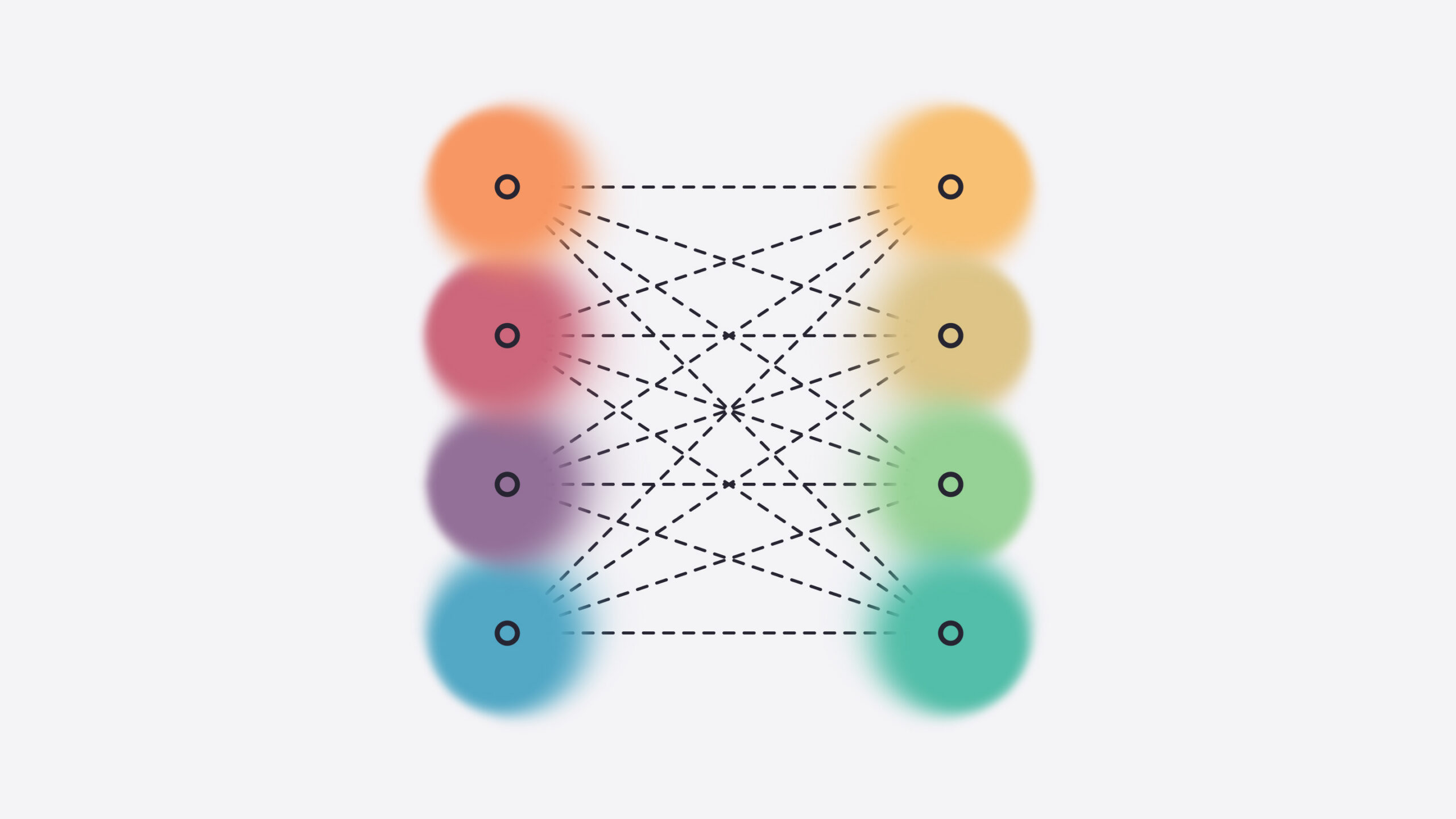
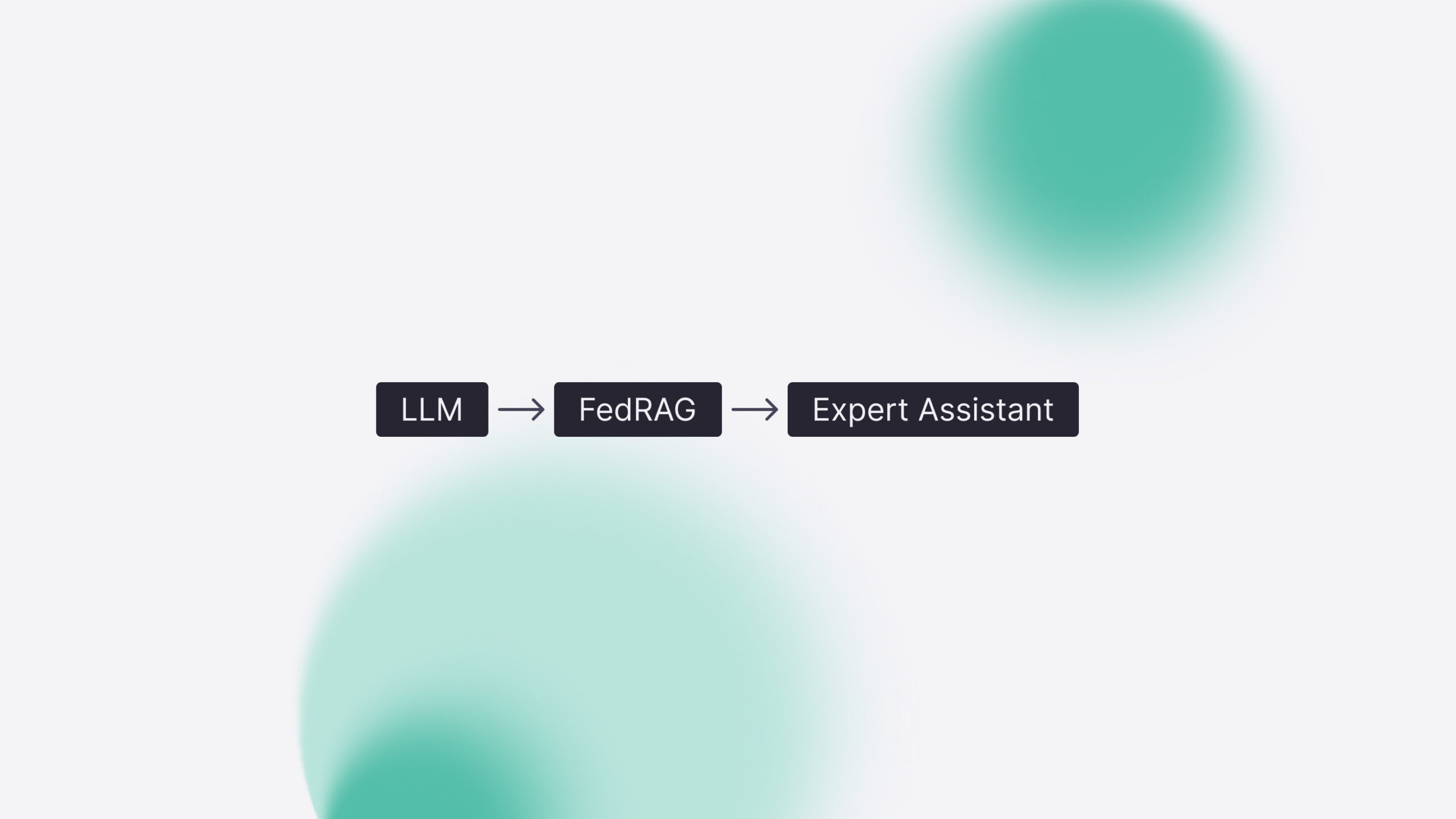
Intelligence composed live over a network, rather than bundling all data, compute, and algorithms into a single centralized source owned by one entity. A conventional AI system is a trained model plus, optionally, a RAG layer over data that happens to be colocated or on the internet. NSAI decentralizes both halves. The model context can come from many independent data owners, and the model itself can be an ensemble of models from many independent owners.
A relationship between sources of AI-related data, compute, and talent and the AI users receiving predictions. These two groups each have ABC when resource owners dynamically control how much intelligence to give each AI prediction they support, and AI users dynamically control which resource providers they want to rely on for each AI prediction.
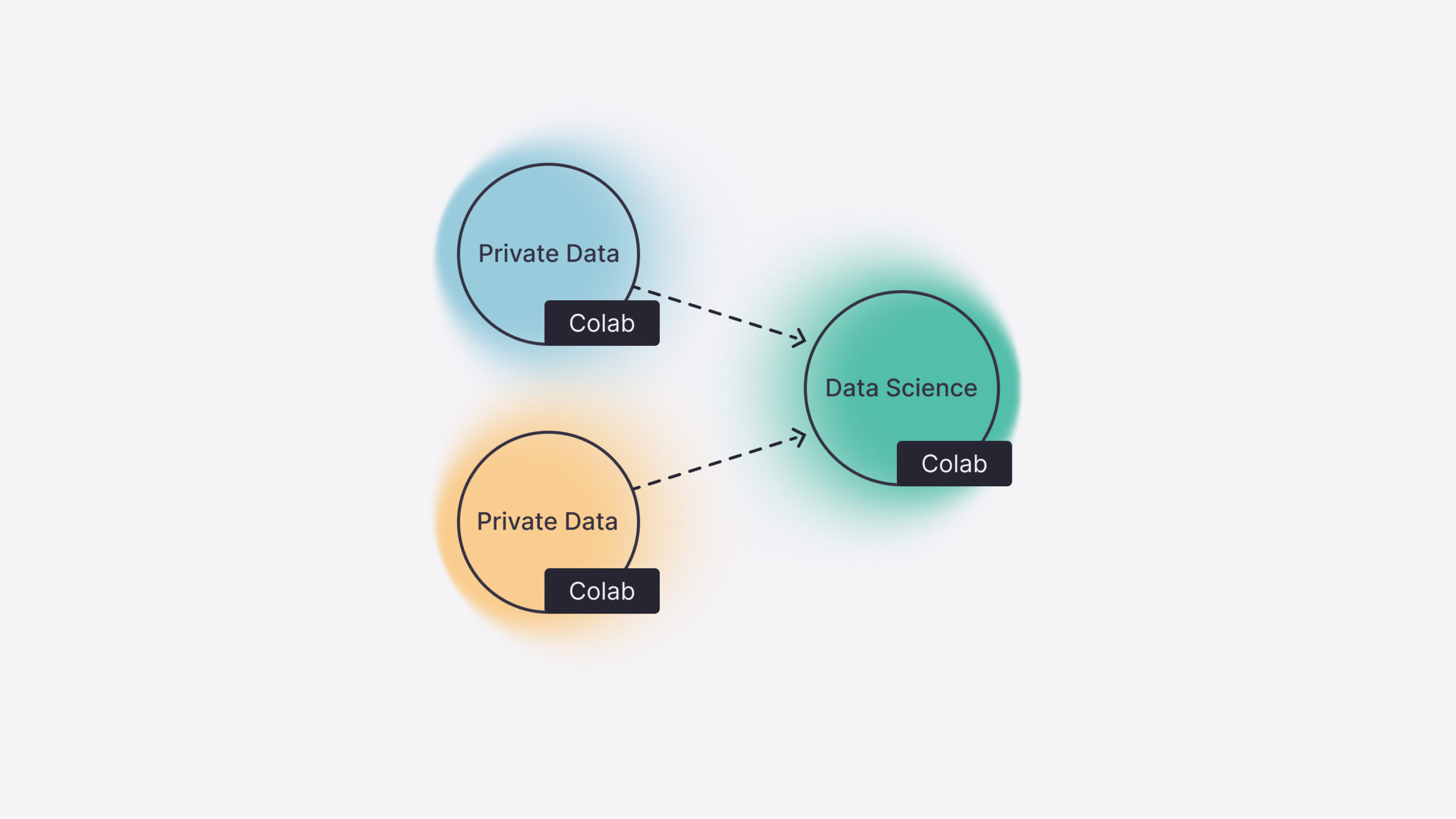
A framework for governing information flows so that parties can collaborate on data without giving up control of it. It names five guarantees a flow can need: input privacy, output privacy, input verification, output verification, and flow governance. Privacy-enhancing technologies (PETs) are the mechanisms that supply those guarantees, and ST provides a vocabulary for saying which ones a given flow is missing.
OpenMined Research focuses on 5 distinct areas for deeper exploration.
Protocols, Networks & Power
How can technical infrastructure distribute rather than concentrate power?
Secure Audits & External Oversight
How should increasingly powerful AI systems be evaluated and governed?
Emerging AI Architectures
How will model routing, ensembles, fusions, and multi-agent systems change who can develop a frontier AI system?
Copyright & the Value of Data
How should society understand economic value and the price of digital goods in the AI era?
Alternative Ownership, Governance & Business Models
What alternatives exist to conventional models of technology ownership?
The OpenMined Research Fellowship
How the fellowship works
The program
The inaugural cohort runs for approximately 7 months, from September 2026 through February 2027. Fellows are PhD students and predoctoral researchers who join part-time alongside their existing academic work. The fellowship is designed to give researchers space, resources, and community for ambitious work.
Fellows participate in regular cohort discussions and peer feedback sessions, and meet monthly with researchers and practitioners from across the field in a guest conversation series.
What fellows receive
An unrestricted research stipend
Technical mentorship from the OpenMined team
Access to infrastructure, APIs, and compute for projects
An all-expenses-paid in-person cohort gathering in New York City
Conversations with leading industry researchers
Support to present at conferences and workshops
Meet the fellows
Inaugural cohort — 2026
As part of OpenMined’s commitment to the next generation of leaders in privacy-preserving AI, we’re proud to introduce the inaugural cohort of the OpenMined Research Fellowship.
PhD Fellows
Seungeun Lee
PhD student, Computer Science — New York University
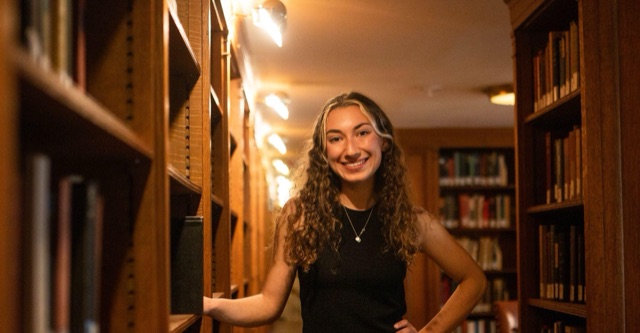
Seungeun Lee is a PhD student in Computer Science at New York University, advised by Prof. Julia Stoyanovich at the Center for Responsible AI. She tries to make machine learning systems more explainable and trustworthy. Broadly, she is interested in designing AI that remains reliable as data, environments, and people change, both in practice and theory.
Victor Ojewale
PhD candidate, Computer Science — Brown University
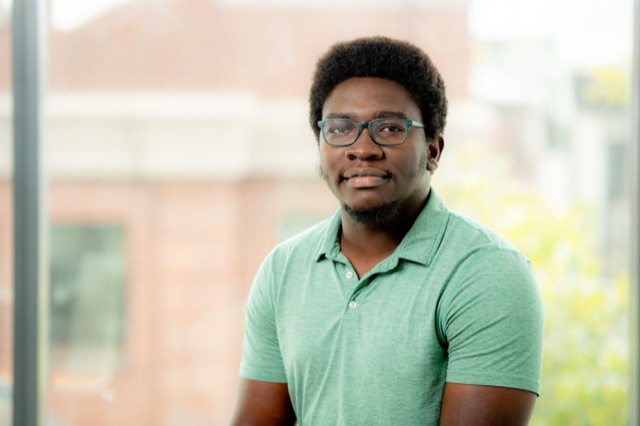
Victor Ojewale is a Ph.D. candidate in Computer Science at Brown University, affiliated with the Center for Technological Responsibility. His research builds evaluation and audit infrastructure for large language models and the agents built on them, with a focus on moving evaluation out of the sandbox and toward the communities that actually use these systems. He has developed community-centered evaluation infrastructure for LLMs, multilingual functional evaluations, and measures of when agents should act versus defer, and has co-authored regulatory filings to NIST, NTIA, and the European Commission. He was previously a researcher with the Mozilla Open Source Audit Tooling Project.
Ben Bucknall
DPhil student — University of Oxford
Ben Bucknall is a DPhil (PhD) student at the University of Oxford, and an affiliate at the Oxford Martin AI Governance Initiative, where his work focuses on technical AI governance. He was previously a visiting student researcher at Stanford University, a chapter lead for the 2026 International AI Safety Report, and organiser of the ICML workshop on technical AI governance research. Before his DPhil, Ben worked as a research scholar at GovAI and technical advisor in the UK AI Security Institute. His current research centres around the governance of AI agent protocols and assurance of model versioning.
Peihan Liu
PhD student, Computer Science — Columbia University
Peihan Liu is a PhD student in Computer Science at Columbia University, advised by Rachel Cummings and Roxana Geambasu. His research focuses on trustworthy machine learning, with an emphasis on differential privacy and the foundations of modern machine learning.
Predoctoral Fellows
Hannah Ismael
Senior Program Associate — Mozilla Foundation
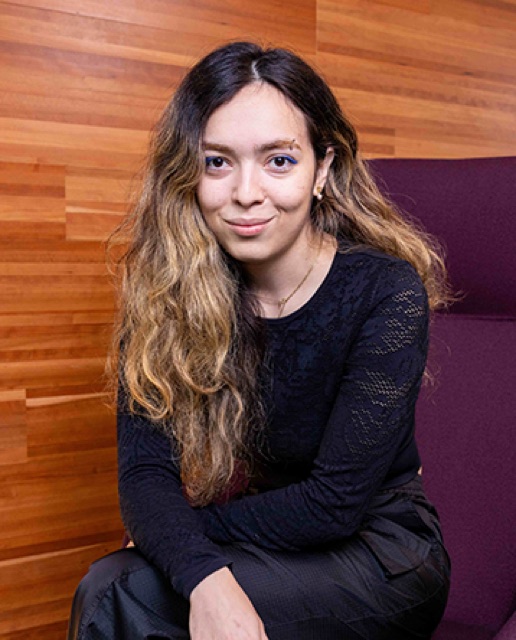
Hannah Ismael is a Senior Program Associate at Mozilla Foundation. She is interested in how law and policy can enable publicly accountable governance of AI, and in where existing frameworks fall short of creating a technological ecosystem that meaningfully balances privacy, transparency, security, and innovation. These questions have led her to explore intellectual property, privacy, and antitrust law, as well as the broader political and geopolitical forces shaping AI policy. Her work has been featured in ACM and JIGS and has contributed to partnerships with governments, nonprofits, and think tanks in pursuit of more equitable benefit-sharing and participatory governance.
Ayana Hussain
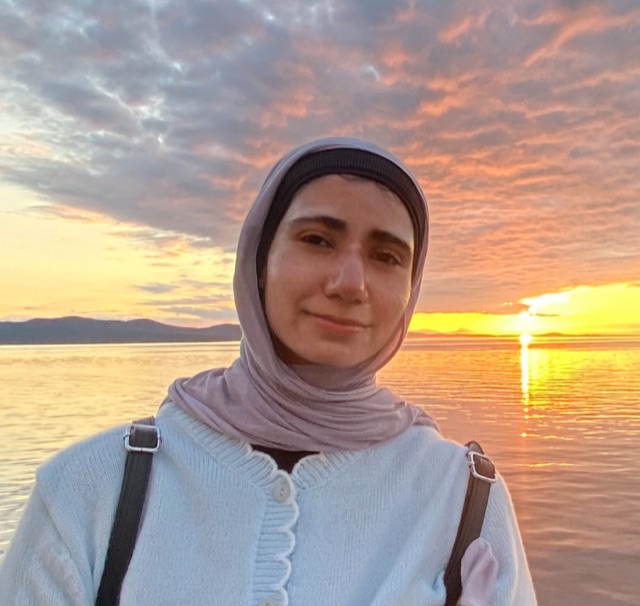
Ayana Hussain is interested in privacy-preserving machine learning and AI safety, particularly in how individuals and communities can exercise agency and influence over algorithms, models, and digital platforms. Her research explores how individuals can control whether and how their data is shared, as well as how groups can use algorithmic collective action to influence computational technologies. She is also interested in how communities can organize to resist technological harms, particularly those involving AI-enabled misinformation and surveillance, and in how influence over increasingly powerful AI technologies can be distributed more widely.
Academic Mentors
Niloofar Mireshghallah
Assistant Professor — Carnegie Mellon University
Niloofar Mireshghallah is an Assistant Professor at Carnegie Mellon University, with appointments in the Engineering & Public Policy Department and Language Technologies Institute, as well as a courtesy appointment in the Software and Societal Systems Department. She is also a core member of CyLab, where she leads the Looni Lab. Her research sits at the intersection of privacy, machine learning, and the societal implications of AI, with a particular focus on contextual integrity, information-flow norms, natural language processing, LLM reasoning, and AI for science, including chemistry and drug discovery. Her work explores the relationship between data, its influence on machine learning models, and the expectations of the people and communities who generate, regulate, and use that data. She is particularly interested in developing technical approaches to privacy and security that account for the social and normative contexts in which AI systems operate.
Prior to joining Carnegie Mellon, she was a Founding Member of Technical Staff at humans&, a Research Scientist with Meta AI’s FAIR Alignment group, and a postdoctoral scholar at the University of Washington. She received her PhD from UC San Diego and has also conducted research with Microsoft Research on differential privacy, model compression, and data synthesis. Her work has been recognized with the NCWIT Collegiate Award and the Rising Star in Adversarial ML Award.
Nick Vincent
Assistant Professor, Computing Science — Simon Fraser University
Nick Vincent is an Assistant Professor in Computing Science at Simon Fraser University and director of the People- and Data-centric Computing Research Group (PadComp). He studies the content ecosystems and data supply chains that fuel data-dependent technologies like search engines, recommender systems, and generative AI. This involves exploring avenues for people to control how data flows and participate in the governance of AI systems. The overarching goal of this research is to work towards highly capable and widely beneficial AI technologies that mitigate—rather than exacerbate—inequalities in wealth and power. His work is published in responsible AI venues like ACM FAccT and human-computer interaction venues like ACM CHI. His dissertation on data leverage received the 2024 ACM SIGCHI Outstanding Dissertation Award.
Prof. Vincent was previously a postdoc working with the Computational Communication Research Lab at UC Davis and the Social Futures Lab at the University of Washington. He received his PhD from Northwestern University’s Technology and Social Behavior program (a joint degree in computer science and communication), where he worked in the People, Space, and Algorithms Research Group.
Research Affiliates
Kyoko Eng
Interaction Designer
Kyoko Eng is a Nashville-based interaction designer. Her practice explores the problem spaces of Privacy and AI, Constructive Communication, and the Public and Private Self. Drawing from participatory design, critical design theory, and ethnographic research practices, she investigates how we might cultivate greater literacy, agency, and contextual awareness within our digital interactions.